nbsp;
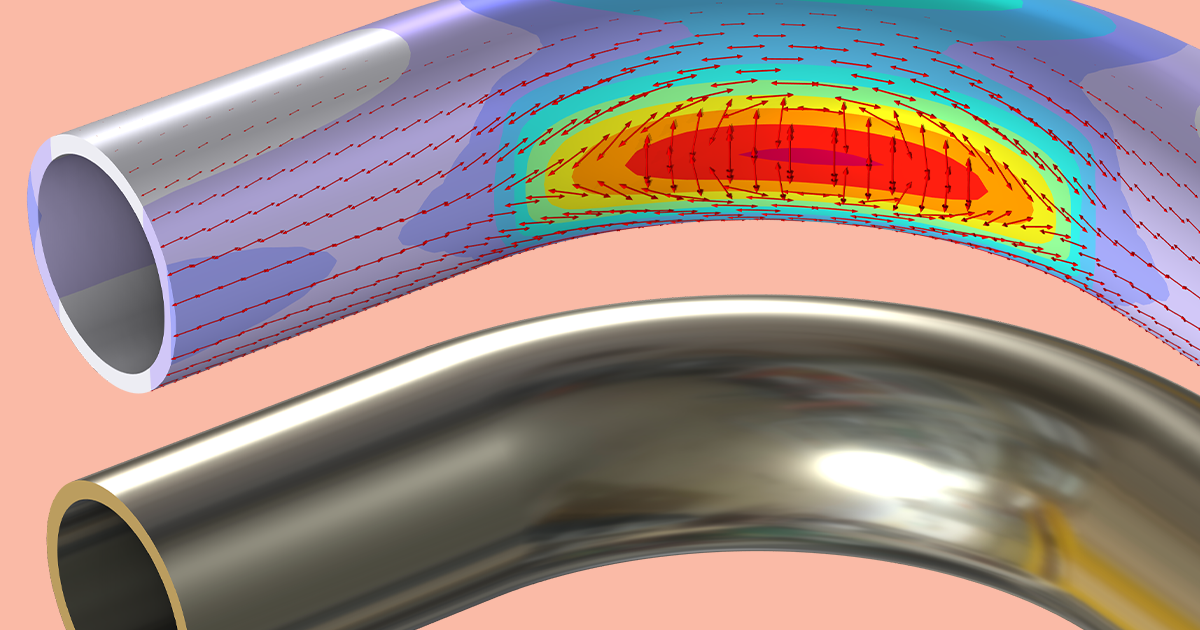
Pipe strain represents a indispensable bear on in the design, surgical process, and sustainment of industrial piping systems. This term encapsulates the mechanical stresses that hap within pipes due to a range of internal and forces. Managing Piping Stress effectively is requisite for ensuring the biological science wholeness and operational efficiency of pipage systems used in various industries, including chemical substance processing, power multiplication, and oil and gas .
One of the primary contributors to pipe stress is the intragroup pressure exerted by the changeful flowing through the pipe. Fluids such as water, steamer, or oil give squeeze against the inner walls of the pipe, creating tensile stresses. The magnitude of these stresses is influenced by several factors, including the fluid 39;s hale, the pipe 39;s , and its wall thickness. High-pressure fluids result in greater stresses, necessitating the use of pipes made from materials susceptible of withstanding these forces. Failure to report for these stresses can lead to pipe deformation, leaks, or even catastrophic ruptures, accentuation the importance of on the nose engineering and material natural selection.
Temperature fluctuations add another layer of complexity to pipe strain. Pipes expand when subjected to higher temperatures and undertake when temperatures drop. This thermal expansion and introduce additional stresses into the pipe system of rules. In systems where temperature variations are considerable, such as those found in power plants or chemical substance reactors, these caloric personal effects can cause the pipes to bend, warp, or develop cracks if not adequately addressed. Engineers must plan pipage systems with allowances for thermic front, often incorporating expanding upon joints or flexible connectors to take over these stresses and prevent damage.
Support and control systems are also crucial in managing pipe stress. Pipes are typically pendant by various components such as hangers, brackets, and supports, which are designed to hold them in target and prevent immoderate front. Properly designed supports ascertain that the pipes are correctly straight and that stresses are evenly rationed. If the subscribe system of rules is inadequate, it can lead to issues such as droopy or immoderate deflection, which can aggravate strain concentrations and lead to pipe failure. Hence, the plan and sustenance of subscribe systems are integral to the overall wellness of the piping system of rules.
External forces also play a considerable role in pipe strain. Loads from wired equipment, state of affairs conditions like wind or seismal activity, and other external factors can levy additional stresses on the pipes. Equipment wired to the pipage system of rules can maintain forces and moments that step-up the strain levels within the pipes. Additionally, state of affairs factors such as high winds or unstable events can cause vibrations and oscillations, further stressing the system of rules. Engineers must consider these external wads during the plan stage to check that the piping system of rules can resist them without vulnerable safety or performance.
To in effect wangle pipe stress, engineers apply a variety of techniques and tools. Stress analysis software is commonly used to model different operating conditions and anticipate try points within the system. This allows for the plan of pipage systems that can wield unsurprising stresses and avoid potential issues. Material selection is also a indispensable factor in; choosing materials with appropriate potency and flexibility helps extenuate try-related problems. Moreover, fixture sustentation and inspection are requisite to observe and turn to stress-related issues before they lead to failures. Techniques such as seeable inspections, pressure testing, and non-destructive examination help place signs of try, enabling timely repairs and adjustments.
In termination, pipe strain is a multifaceted issue that requires careful thoughtfulness in the design, surgical procedure, and sustenance of pipe systems. By sympathy the personal effects of intramural hale, temperature variations, support systems, and forces, engineers can develop robust solutions to wangle and palliate pipe try effectively. This comprehensive examination approach ensures the reliableness, safety, and efficiency of pipe systems across a wide range of heavy-duty applications.