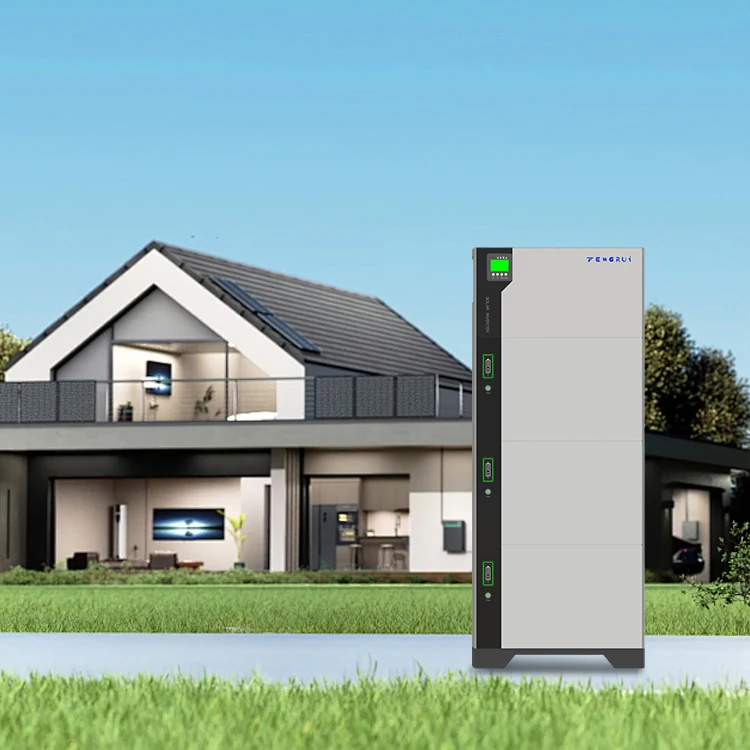
The world is undergoing a monumental shift toward renewable energy sources like wind and solar power. These energy sources are crucial in combating climate change and reducing our reliance on fossil fuels. However, renewable energy comes with its own set of challenges—chiefly, variability and intermittency. Wind and solar energy are not available all the time, which can create instability in energy grids and undermine the reliability of power supply. The solution to this issue lies in inverter, a technology that is rapidly evolving and is poised to play a crucial role in maximizing the efficiency and reliability of modern energy networks.
The Role of Energy Storage in Modern Grids
Energy storage involves capturing energy produced at one time for use at a later time. This process helps balance supply and demand, ensuring that excess energy generated during periods of high production (such as a sunny afternoon or a windy day) can be stored and used when production drops or demand increases. The most common forms of energy storage today include batteries, pumped hydro storage, compressed air, and thermal storage.
Among these, battery storage, particularly lithium-ion batteries, has seen the most significant growth in recent years. These batteries are capable of storing large amounts of energy in a relatively small space, making them ideal for integration with renewable energy sources. Moreover, advancements in battery technology continue to improve efficiency, reduce costs, and increase storage capacity, making energy storage more accessible to utilities, businesses, and even homeowners.
Maximizing Efficiency
Efficiency is a critical concern when it comes to energy storage. The primary objective is to minimize energy loss during the storage and retrieval process. In this regard, batteries, especially solid-state batteries and advanced lithium-ion variants, offer significant improvements over older technologies. These modern batteries are designed to reduce the energy loss that occurs when storing or releasing energy, enabling a more efficient conversion of renewable energy into usable power.
Moreover, energy storage systems can be combined with smart grid technology, which enables real-time monitoring and management of energy flows. Smart grids optimize the use of stored energy by matching production with consumption patterns. By storing excess energy during low-demand periods and releasing it when demand peaks, energy storage helps reduce the need for peaking power plants, which are often powered by fossil fuels and are less efficient and more polluting.
Enhancing Reliability
Reliability is another key benefit of energy storage in modern energy networks. The ability to store energy ensures that grid operators can maintain a stable power supply even when renewable generation fluctuates. For example, in areas that rely heavily on solar energy, energy storage systems can provide power during cloudy days or at night when solar generation is unavailable. Similarly, wind farms can store excess energy when wind speeds are high and release it when the wind slows down.
In addition to stabilizing renewable energy supply, energy storage can also enhance grid resilience in the face of extreme weather events or other disruptions. For instance, energy storage systems can provide backup power during blackouts, ensuring that critical infrastructure like hospitals and emergency services continue to operate even in the event of a grid failure.
The Future of Energy Storage
As energy storage technology continues to improve, the potential for transforming the energy landscape becomes even greater. New innovations, such as next-generation solid-state batteries, flow batteries, and green hydrogen, promise to further enhance the capacity, efficiency, and environmental sustainability of energy storage systems.
Moreover, energy storage’s integration with artificial intelligence (AI) and machine learning could revolutionize grid management, enabling even more precise and responsive control of energy flow. By predicting energy demand and adjusting storage strategies accordingly, AI-powered systems could optimize energy distribution, reduce costs, and improve grid reliability.
Conclusion
Energy storage is an essential tool for maximizing the efficiency and reliability of modern energy networks. By enabling the storage of renewable energy, it addresses the intermittency challenges posed by wind and solar power. As technology advances, energy storage will become increasingly affordable and efficient, helping to create a more resilient, sustainable, and cost-effective energy system for the future. Harnessing this power is key to transitioning toward a cleaner, greener energy future.