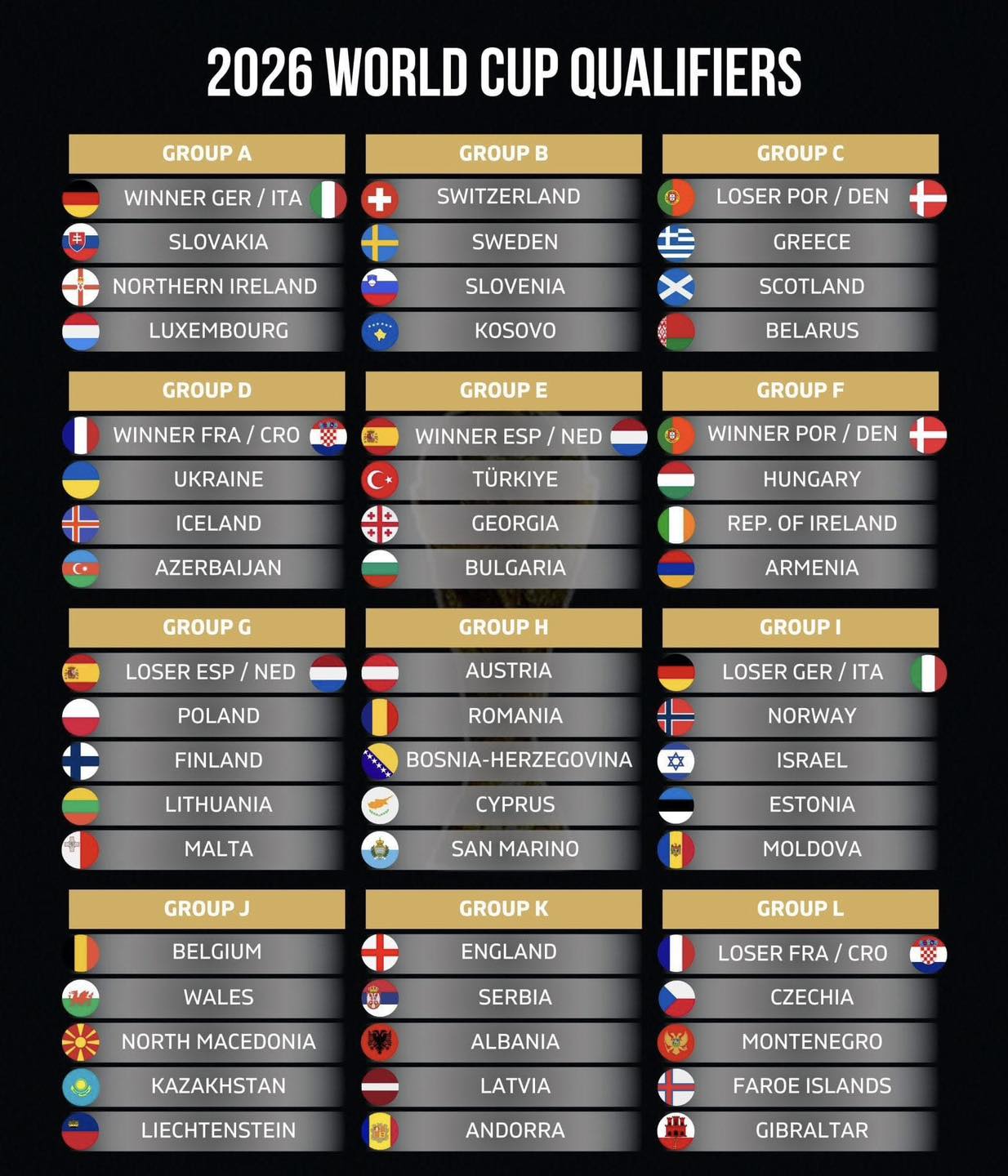
Finishing second in a World Cup group is not a failure — it is qualification. Many teams that finished second in their groups have gone on to win the World Cup. The check the official standings show that second place in the table is a fully valid advancement position with a clear knockout path ahead.
Group runners-up enter the Round of 32 in a predetermined bracket slot based on their group letter. The specific Round of 32 opponent for a runner-up depends on the pre-tournament bracket structure and which group winner they are paired against.
Famous Group-Stage Runners-Up Who Won the World Cup
Argentina won the 2022 World Cup after finishing second in their group. Spain won the 2010 World Cup after losing their first group match and finishing second or third depending on their group configuration. France won the 2018 World Cup after a group stage that included a 0-0 draw.
These examples confirm that group-stage standings position does not determine World Cup winners. Teams that finish second have the same knockout opportunities as group winners once the Round of 32 begins. The path is slightly different but the destination is the same.
Strategic Advantages of Targeting Second Place
Some coaching staffs deliberately manage group-stage results to target second place over first in specific scenarios. If the expected group winner’s bracket position leads to an easier Round of 32 opponent while the runner-up position faces a theoretically tougher opponent, the incentive to clinch first rather than second is reduced.
How to Use the Standings Page Throughout the Tournament
The standings page at WorldCupPass updates in real time during and after matches. Check it after every group-stage result to see how each group’s table has shifted. The page displays all 12 groups on one screen so you can compare advancement races across the tournament simultaneously. Color coding shows which positions are currently safe for advancement and which are in the qualification zone.
Following the standings page daily through the group stage builds a thorough picture of tournament momentum. Teams that are accumulating points efficiently and building positive goal difference are in the strongest position for the Round of 32. Teams that are scraping through on draws and narrow margins are potentially vulnerable to tiebreaker outcomes on the final matchday. The standings page gives you the data to make those assessments in real time.
In the 2026 format, analyzing the specific bracket structure reveals whether first or second place in each group leads to the more favorable Round of 32 matchup. This information is available from the moment the draw occurs and informs how top coaching staffs approach the group-stage standings competition.