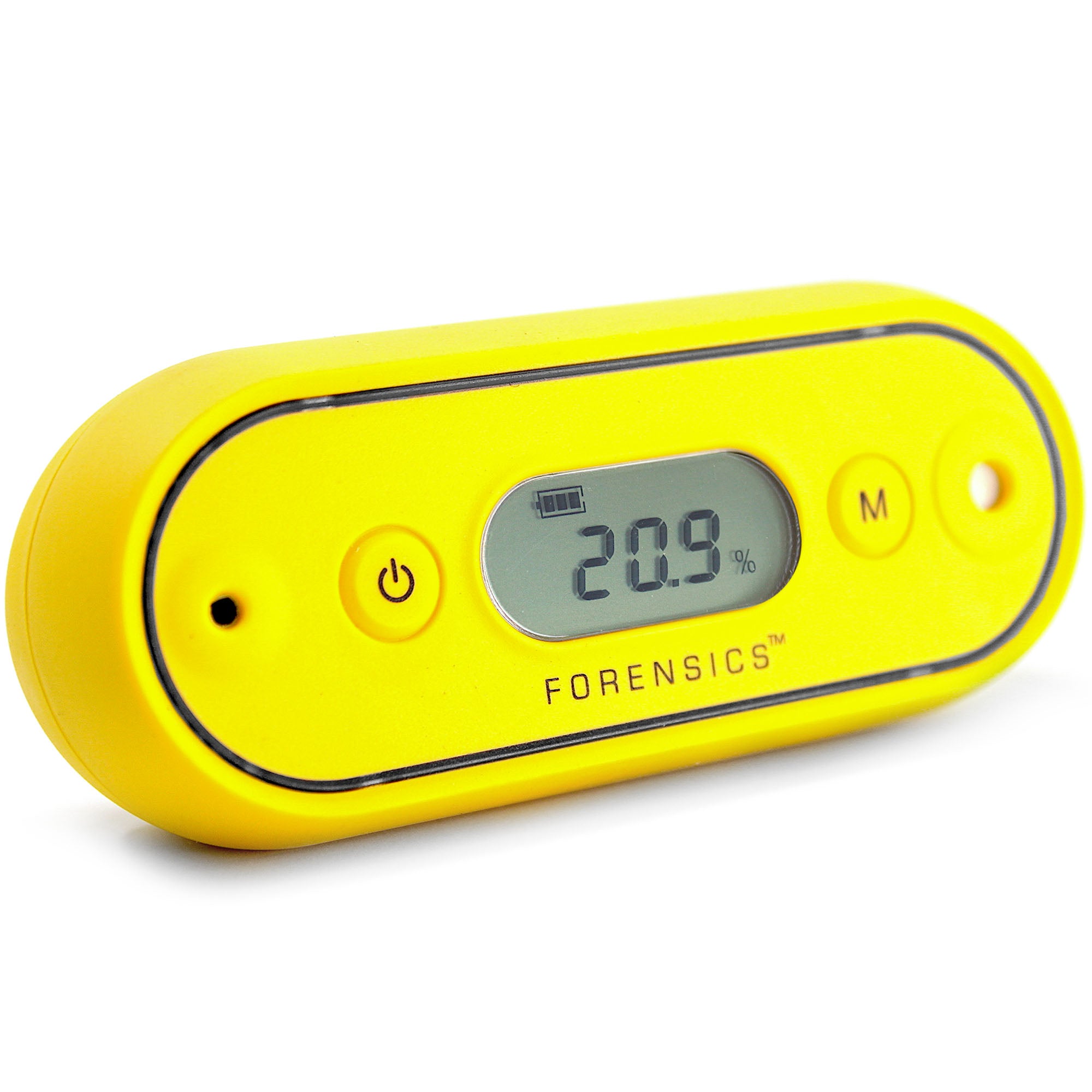
In modern scientific, environmental, and industrial applications, high-sensitivity Stickstoffdetektor analyzers for precision measurement have become essential tools for achieving accurate and reliable gas detection. These advanced instruments are designed to measure even trace levels of gases with exceptional accuracy, making them critical in fields such as environmental monitoring, laboratory research, healthcare, and industrial process control.
As global concerns about air quality, emissions, and safety continue to grow, the demand for precise gas analysis technologies is increasing rapidly. High-sensitivity gas analyzers help industries maintain compliance, improve efficiency, and ensure safety through detailed and real-time gas composition data.
Importance of High-Sensitivity Gas Analysis
Gas measurement is not just about detecting the presence of gases—it is about understanding their exact concentration levels. Even small variations in gas composition can significantly impact environmental conditions, industrial processes, and human health.
High-sensitivity gas analyzers are designed to detect gases at parts-per-million (ppm) or even parts-per-billion (ppb) levels. This level of precision is essential for:
- Monitoring air pollution in urban environments
- Ensuring safety in chemical and industrial plants
- Conducting accurate laboratory experiments
- Tracking greenhouse gas emissions
- Supporting medical and respiratory research
By providing precise data, these analyzers enable better decision-making and regulatory compliance.
How High-Sensitivity Gas Analyzers Work
High-sensitivity gas analyzers use advanced detection technologies to identify and measure gas concentrations with extreme accuracy. These systems combine sophisticated sensors with digital signal processing to deliver real-time results.
1. Non-Dispersive Infrared (NDIR) Technology
NDIR analyzers measure gas concentration by analyzing how specific gases absorb infrared light. This method is widely used for carbon dioxide and methane detection due to its accuracy and stability.
2. Mass Spectrometry
Mass spectrometers separate gas molecules based on their mass-to-charge ratio, allowing highly precise identification of gas components in complex mixtures.
3. Laser-Based Spectroscopy
Techniques such as tunable diode laser absorption spectroscopy (TDLAS) provide extremely sensitive and selective gas detection, even in challenging environments.
4. Electrochemical and Catalytic Sensors
These sensors are used for detecting toxic and combustible gases at very low concentrations with fast response times.
Key Features of High-Sensitivity Gas Analyzers
Modern gas analyzers are built with advanced features that enhance accuracy, reliability, and usability:
- Ultra-low detection limits for trace gases
- Real-time continuous monitoring
- High selectivity for specific gas compounds
- Automated calibration systems
- Digital data logging and analysis
- Remote monitoring capabilities via IoT integration
- High resistance to environmental interference
These features make them suitable for both laboratory-grade precision and industrial-scale applications.
Applications Across Industries
High-sensitivity gas analyzers are widely used in various sectors where precision measurement is critical.
Environmental Monitoring
They are used to measure air pollutants, greenhouse gases, and atmospheric composition to assess environmental health and climate change trends.
Industrial Process Control
Industries such as petrochemical, manufacturing, and energy rely on gas analyzers to optimize processes, improve efficiency, and reduce emissions.
Healthcare and Medical Research
Gas analyzers help monitor respiratory gases, anesthesia levels, and metabolic processes in clinical and research settings.
Semiconductor Manufacturing
Ultra-clean environments require precise gas control to ensure product quality and prevent contamination during chip production.
Laboratory Research
Scientists use high-sensitivity analyzers for experiments that require accurate gas composition analysis at microscopic levels.
Benefits of High-Sensitivity Gas Analyzers
The use of precision gas analyzers offers several significant advantages:
- Exceptional Accuracy: Detects even trace-level gas concentrations
- Improved Safety: Early detection of hazardous gases prevents accidents
- Regulatory Compliance: Helps meet environmental and industrial standards
- Process Optimization: Enhances efficiency in manufacturing and production systems
- Data-Driven Insights: Provides detailed analytics for better decision-making
These benefits make high-sensitivity analyzers indispensable in industries where precision is critical.
Future of Gas Measurement Technology
The future of gas analysis is moving toward smarter, more connected, and more automated systems. Emerging innovations include:
- AI-powered gas detection and predictive analytics
- Miniaturized portable high-sensitivity analyzers
- Cloud-based real-time monitoring platforms
- Integration with smart industrial ecosystems
- Enhanced multi-gas detection capabilities in a single device
These advancements will make gas monitoring more efficient, accessible, and intelligent, further improving safety and environmental protection.
Conclusion
High-sensitivity gas analyzers for precision measurement are transforming the way industries and researchers monitor and analyze gas compositions. Their ability to detect trace-level gases with extreme accuracy makes them essential tools in environmental protection, industrial safety, and scientific research. As technology continues to advance, these analyzers will play an even greater role in ensuring a safer, cleaner, and more efficient future.