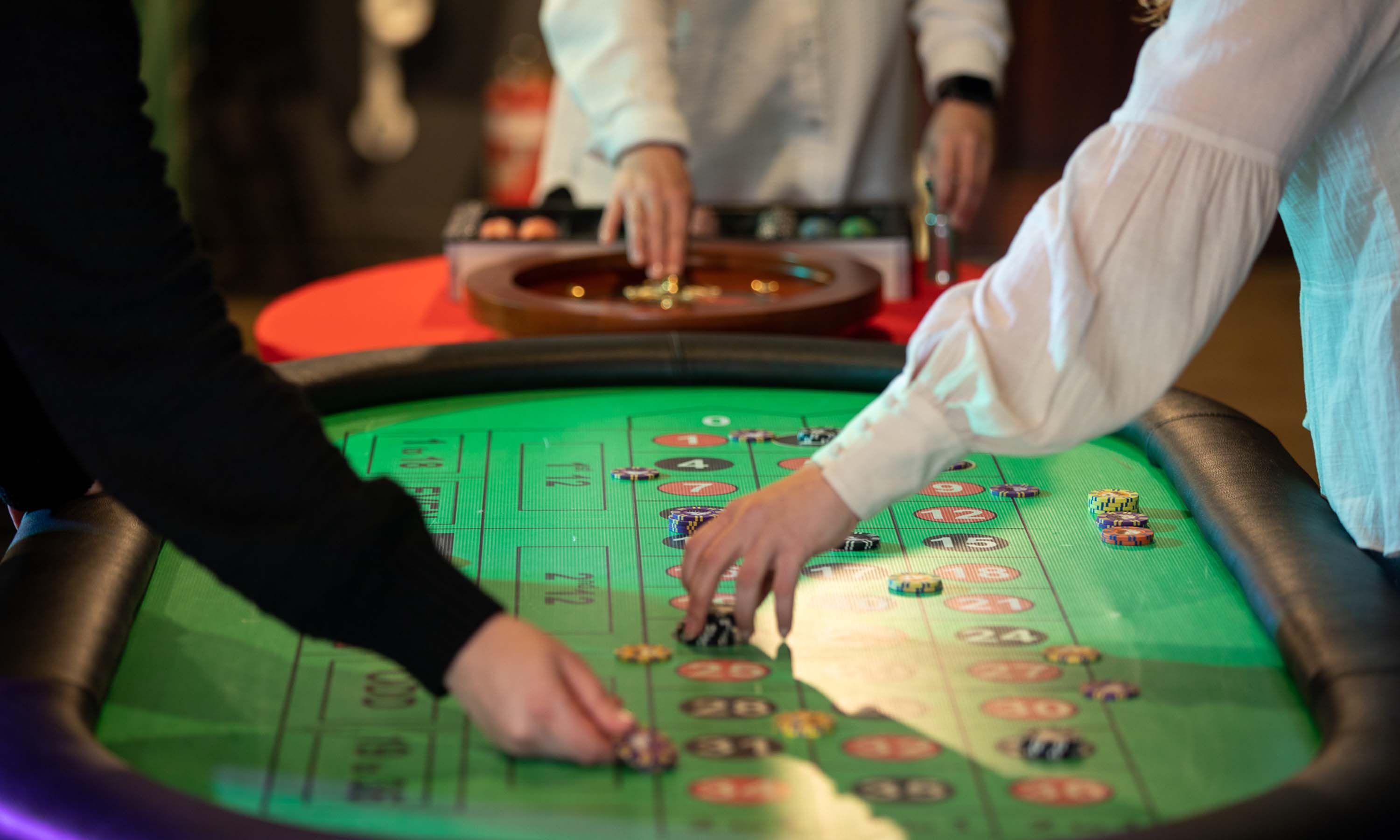
The lottery has become a staple in bon ton, with millions of populate involved in the hopes of hitting it rich. The tempt of second wealthiness and financial freedom is overpowering, leadership to droves of people purchasing tickets week after week. Many of quitting their jobs, travel the earth, or ultimately buying that home with the win from the drawing. But as with any game of , there are winners and losers, and the odds are not always in our favour. So, what is the true affect of the lottery on our bon ton and individuals? Let s dive into the earthly concern of the lottery and research its highs and lows.
The concept of the lottery dates back centuries, with some historians trace it all the way back to ancient China. However, the modern drawing as we know it began in 1964 when New Hampshire launched the first put forward-run lottery. Since then, the lottery has enlarged to 44 states and generates billions of dollars in tax income each year.
On the come up, the lottery may seem like a harmless game, with players disbursement a few dollars each week for a chance to win millions. But for some, it can become a self-destructive addiction. The tickle of possibly hit the kitty can lead to overspending and fiscal strain. According to the National Council on Problem Gambling, more or less 2-3 of adults get from gambling-related problems, and the lottery is a significant contributor to this cut.
For the propitious few who do win big, the lottery can be a life-changing . Suddenly becoming millionaires, they are given the opportunity to live up to their wildest dreams. However, successful the lottery does not always match to commercial enterprise stability or felicity. Studies have shown that many lottery winners go through a acutely decline in their overall well-being after winning. The influx of money can lead to tense relationships, raised stress, and even slump. In some cases, winners may also fall victim to scams or become targets for thieves.
Aside from the potential affect on the someone, the lottery also has a considerable affect on society. The lottery is often used as a means of generating tax income for various government programs, such as breeding and infrastructure. However, critics reason that the lottery preys on low-income individuals and perpetuates inequality. The majority of lottery players come from lower-income brackets, and they often pass a large allot of their income on tickets. This creates a fixed tax, where the poor are in essence subsidizing political science programs through their play losings.
Despite the downsides, we cannot neglect the positive bear on of the lottery. Many programs and organizations have been able to gain from lottery finances, such as sports teams, non-profits, and appreciation institutions. Additionally, the lottery provides a gleam of hope to those in dire fiscal situations. For some, it can be their only chance at a brighter future or a way out of poorness.
So is the drawing at long las a force for good or evil? The suffice is not so simple. As with most things in life, it is a double-edged brand. While it has its drawbacks, it also has its benefits. It is up to the individual to decide whether performin the lottery is Charles Frederick Worth the risk or not. The bandar togel may change a somebody s life, but it is necessary to think of that true happiness and fulfillment cannot be bought.
In conclusion, the lottery has a significant impact on society and individuals, both positive and negative. It has the world power to make dreams come true but can also lead to problems if not approached with monish. The allure of second wealth and exemption may be inviting, but it is necessary to think of to take a chanc responsibly and not let the drawing become a insecure dependency. Ultimately, our fate is not determined by a set of favorable numbers pool, but rather the choices we make and the actions we take in life.