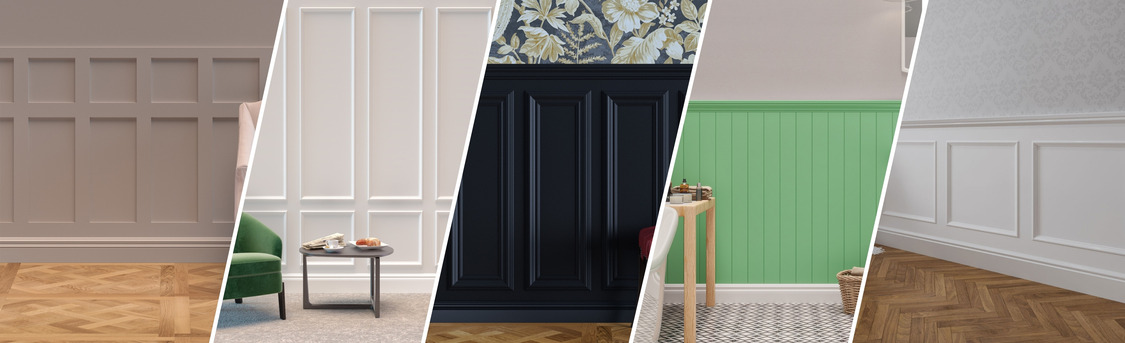
Wall panelling has long been a blest design selection, offering both esthetic appeal and virtual benefits. From historical origins to coeval applications, wall panelling continues to transmute spaces, making them feel more attractive and elegant. This article explores the different types of wall pane, their existent meaning, plan trends, and practical advantages.
A Brief History of Wall Paneling
Wall pane dates back to the Middle Ages, when it was in the first place used for insulating material and protection against the cold. Early examples were made from wood, providing a warm and invitatory standard atmosphere in otherwise draughty homes. As architecture evolved, so did pane styles. The Renaissance time period saw work out carvings and intricate designs, particularly in chiliad estates. By the 18th and 19th centuries, wall pane became more sublimate, with styles like wainscotting becoming nonclassical in affluent homes.
Types of Wall Paneling
Today, wooden panelling comes in various materials and styles, catering to different tastes and needs:
-
Wood Paneling: Classic and dateless, wood panelling offers warmness and texture. It can be left cancel for a countrified look or particolored for a Bodoni font touch.
-
MDF Paneling: Medium-density fibreboard(MDF) is a cost-effective choice to solidness wood. It can be well particoloured and formed, qualification it a nonclassical option for complex designs.
-
PVC Paneling: This whippersnapper and irrigate-resistant selection is nonpareil for areas prone to moisture, like bathrooms or kitchens. PVC panels come in a variety show of finishes and colours.
-
Stone and Brick Paneling: For a more heavy-duty or countryfied feel, stone and brick panelling adds and character to any room. These materials can create surprising focal points, especially in keep suite or entryways.
-
Fabric Paneling: Soft wall pane, made from fabric-covered boards, can raise acoustics while adding a luxuriant touch down. This type is particularly popular in home theaters or transcription studios.
Design Trends in Wall Paneling
Recent plan trends have seen a revitalisation in wall panelling as a focal design . Shiplap, with its strip lines and transportation roots, has become a favourite in Bodoni farmhouse designs. Vertical pane is also gaining adhesive friction, creating an semblance of tallness in small suite.
Bold colors and patterns are now being embraced, allowing homeowners to express their individuation. Textured finishes, such as rescued wood or geometrical patterns, add and matter to to otherwise flat walls.
Practical Benefits of Wall Paneling
Beyond esthetics, wall panelling offers many virtual benefits:
-
Insulation: Wood and certain materials can provide additional insulation, portion to regularize indoor temperatures and reduce energy costs.
-
Durability: High-quality wall panels can stand firm wear and tear, qualification them apotheosis for high-traffic areas. They are also easier to strip and maintain than multi-colour walls.
-
Concealing Imperfections: Paneling can in effect hide wall imperfections, such as cracks or scratchy surfaces, providing a urbane look.
-
Sound Absorption: Certain types of paneling can help absorb vocalize, making them salutary in homes with open blow out of the water plans or in noise-sensitive environments.
Conclusion
Wall panelling corpse a versatile and swagger option for enhancing inside spaces. With its rich history, various stuff choices, and virtual advantages, it rsquo;s no wonder that wall paneling continues to catch homeowners and designers alike. Whether you rsquo;re looking to add warmness to a cozy den or produce a hitting boast wall in a modern bread and butter area, wall pane offers a unaltered root that combines looker with functionality.
nbsp;